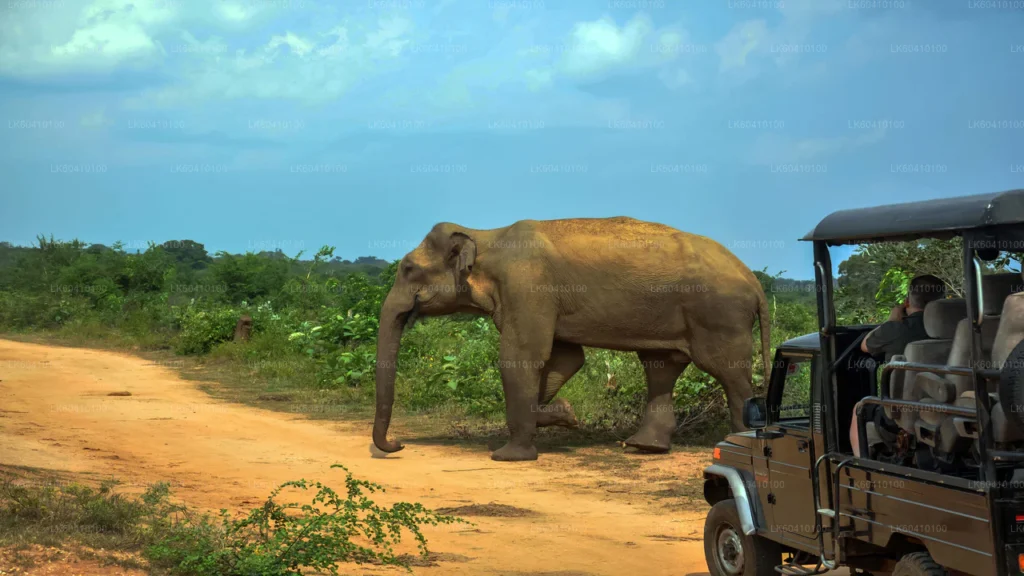
With herds of elephants, wild buffalos, sambars and spotted deer, and giant squirrels, this Sri Lankan national park is one of the nation’s finest. In fact, for elephant watching, Uda Walawe often surpasses many of the most famous East African national parks. The park, which centres on the 308.2-sq-km Uda Walawe Reservoir, is lightly vegetated, but it has a stark beauty, and the lack of dense vegetation makes game watching easy.
Elephants are Uda Walawe’s key attraction, with around 600 in the park in herds of up to 50. There’s an elephant-proof fence around the perimeter of much of the park, (supposedly) preventing elephants from getting out into areas with a higher human population and cattle from getting in. Elephants can and do migrate into and out of the park along unfenced borders. The best time to observe herds is from 6.30am to 10am and again from 4pm to 6.30pm.
Alongside its famous elephant herds, the park is home to mongooses, jackals, water monitor lizards, lots of crocodiles, sloth bears and the occasional leopard. There are 30 varieties of snake and a wealth of birdlife – 210 species at last count; northern migrants join the residents between November and April.
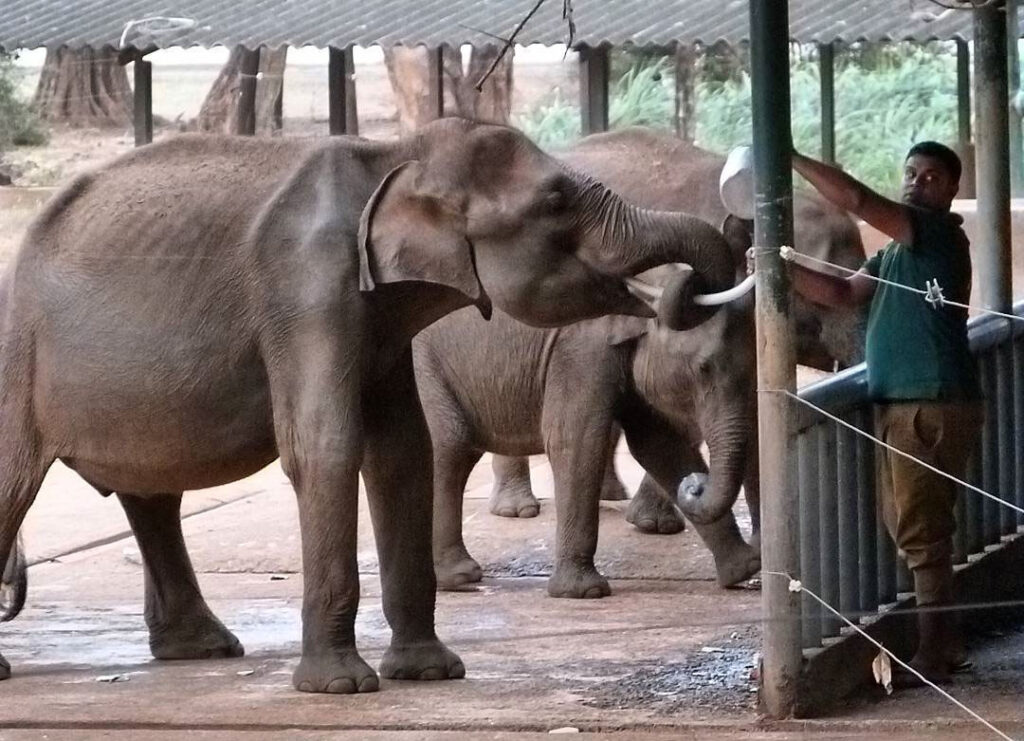
Elephant Transit Home ( Eth Athuru sewana )
Here, orphaned or sick elephants are fed and cared for until they are strong enough to be returned to the wild.
The centre allows you to visit at the feeding times of 10.30am, 2.30pm, and 6.30pm. From behind a barrier you can watch the elephants ambling along behind a keeper, into the compound where they will be fed milk through plastic hoses with funnels attached, some stamping and trumpeting with impatience.
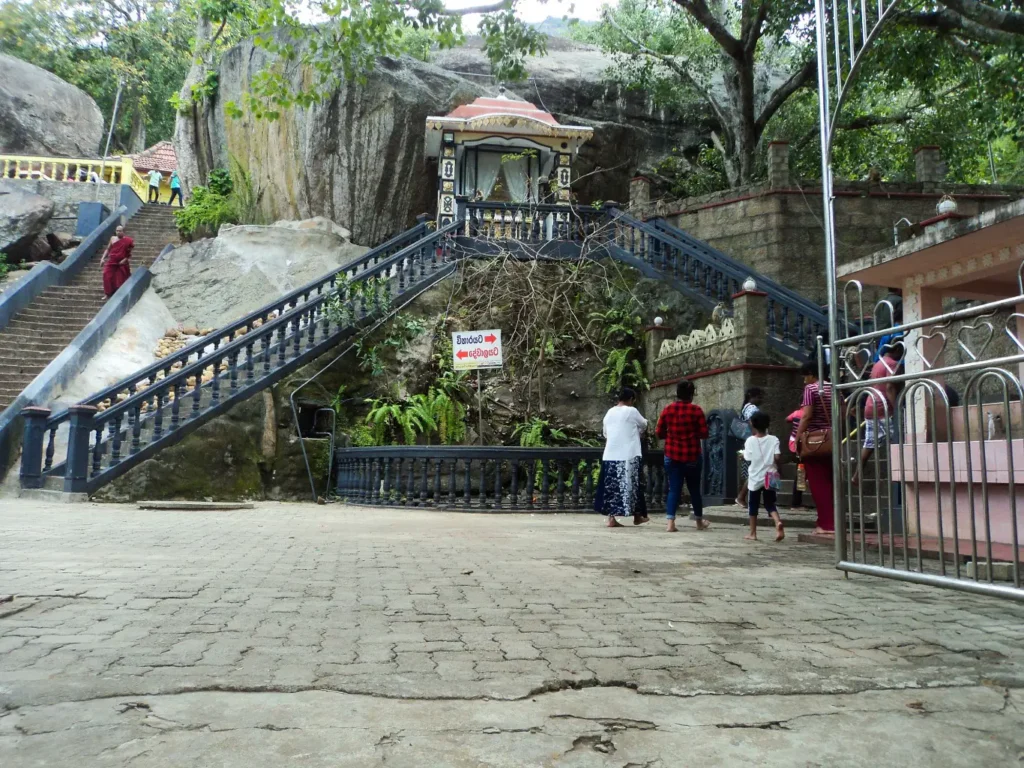
Sankapala Temple
Sankapala Raja Maha Viharaya stands majestically on a rocky mountain as ample evidence to prove that this temple has been blessed by the saintly monks who spent their time in peaceful meditation.
Situated in the Ratnapura district belonging to the Atakalan Korale Thambagamu Pattu Pallebedda Village the Sankapala Raja Maha Viharaya lies on the outskirts of Ratnapura – Hambantota main road near the 24th milepost. From here a distance of about 150 yds, is the rock mountain wherein the ruins of buildings, a Bo tree, a dagoba, and a cave Deralaya have been found.
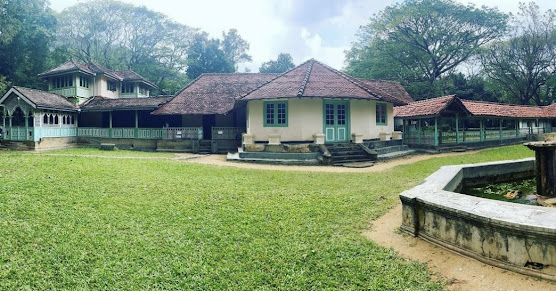
Maduwanwala Walawwa
Maduwanwela Walawwa is a walawwa (colonial manor house) which is situated in the town of Kolonne, which is located between Embilitpiya and Suriyakanda in the Ratnapura district. This manor house dates back to the King Wimaladharmasuriya II. It was initially built by Maduwanwela Maha Mohottala in the 1700s and was later modified and expanded several times by the Maduwanwela family until 1905. The final expansion was undertaken by Maduwanwela Maha Disawe. Back in the day this manor house had 121 rooms, 21 inner courtyards and 80 000 acres of land surrounding it. At present only 43 rooms are left. The house was taken over by the Department of Archaeology, Sri Lanka in 1974 and converted into a museum.
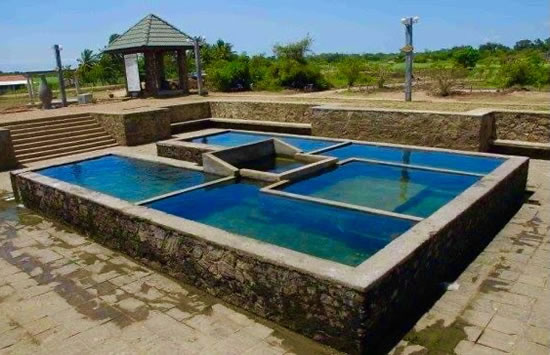
Madunagala Hot Water Wells
The Madunagala Hot Wells sometimes referred to as ‘Madunagala Hot Springs’ is a unique attraction in Hambantota, as it is the only type of attraction that has a stark resemblance to that of the Kanniya Hot Springs in northern Trincomalee. Similar to its northern counterpart, the Madunagala Hot Springs is also known for its unique healing waters, which has attracted visitors from around the country to immerse themselves in. Scientific research claims that this is due to the geothermal heating that takes place before it reaches the well, that gives the water 22 important minerals, such as sulphate, nitrate, and chloride to name but three of the prominent ones.
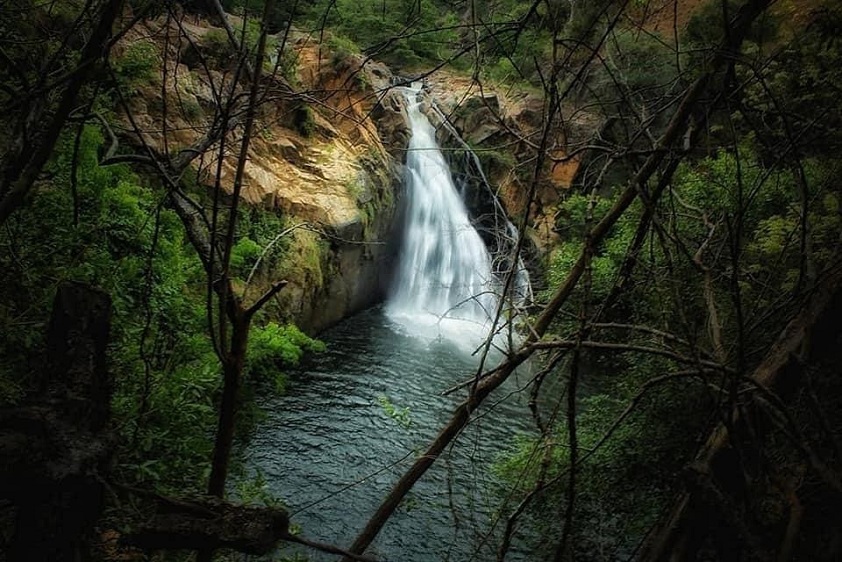
Duvili Ella
Duvili Ella or Walawe Ganga East Fallsis a waterfall in Ratnapura District, Sri Lanka. It is located in Thanjantenna village, which is about 4 km (2.5 mi) away from Balangoda. The height of the waterfalls is about 40 m (130 ft).The name ‘Duwili’ is derived from the Sinhalese for dust, which describes the spray emanating from the waterfall.
The Samanala Wewa reserve is also a specialty as the upper land area belongs to the area where the waterfall is located. Duwili Ella Waterfall is said that this waterfall was first discovered by an English Governor who was visiting elephants in the Sabaragamuwa Province.